How Source-Removal Duct Cleaning Works (Roto-Brush + HEPA)
A plain-English look at source-removal air duct cleaning: negative pressure, rotating brushes, HEPA vacuums and what a complete job covers.
"Source removal" is the term the duct cleaning industry uses for physically getting debris out of the system, rather than just wiping the grilles or spraying something into the vents. You'll often see it described as roto-brush and HEPA vacuum cleaning. This article explains how the method generally works, based on how the EPA and the National Air Duct Cleaners Association (NADCA) describe it, so you know what to look for when you hire anyone, including us.
The basic idea: loosen it, then capture it
Dust in ductwork doesn't just sit on top; it clings to the duct walls, especially at bends, seams and low spots. Source removal pairs two steps:
- Agitation. Tools such as rotating brushes, air whips or compressed-air nozzles are worked through the ducts to break debris loose.
- Collection. At the same time, a powerful vacuum connected to the system pulls the loosened material out, so it is captured instead of blown into the house.
The EPA's homeowner guide describes this same combination: well-controlled brushing of duct surfaces along with contact vacuum cleaning, so dust is dislodged and captured together.
Why negative pressure matters
Before the brushing starts, the vacuum is usually connected to the duct system and turned on so that air moves into the ducts, toward the collector, rather than out into the rooms. That is called negative pressure. It helps keep loosened dust inside the ducts and on its way to the vacuum while the work moves from register to register.
To make this work, the crew may cover supply registers and returns as they go, opening each one as it is cleaned. In some systems, small access holes are cut into trunk lines to reach sections that can't be reached from the registers. Those openings should be sealed properly when the job is done.
Where the HEPA part comes in
Vacuum equipment comes in two broad types. Some units sit outside or in a truck and exhaust outdoors. Others are portable and exhaust inside the house. The EPA advises that if the vacuum exhausts indoors, it should use HEPA filtration, which captures very fine particles instead of sending them back into the room.
HEPA filtration is about the equipment, not the ducts. It means the dust collected during the job stays captured. It doesn't mean the ducts themselves become free of every particle, and no honest company will tell you they do.
What a complete job should cover
The EPA points out that if only part of a system is cleaned, the dirty parts can recontaminate the clean ones. A complete cleaning generally includes:
- Supply ducts and registers
- Return ducts and grilles
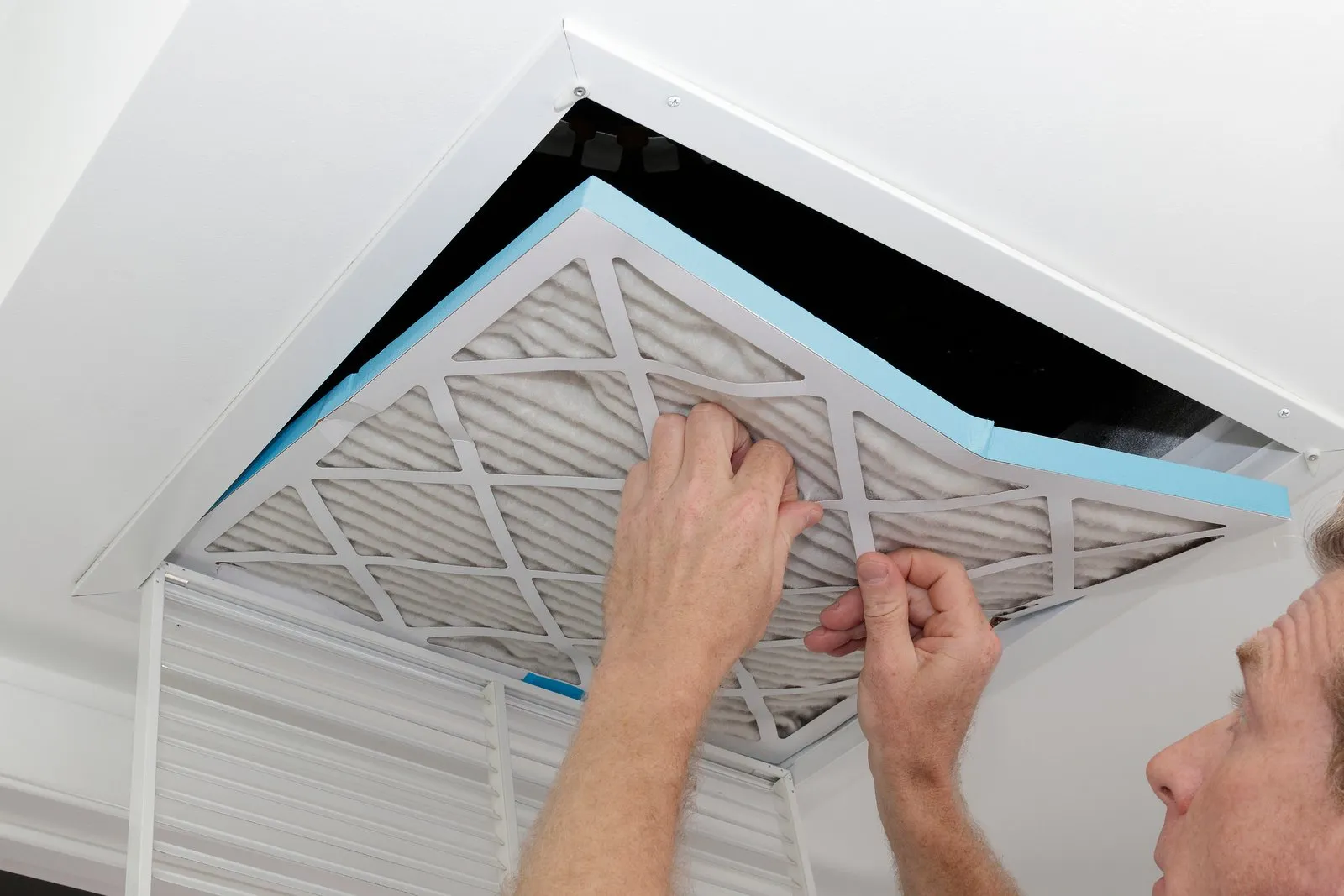
- The return plenum and areas around the filter
- Other components such as the blower, coil and drain pan, depending on the scope
Ask any company which of these are included in its price. At Air Cleaning Specialists Inc, our roto-brush and HEPA duct cleaning focuses on the duct system itself. If the coil, drain pan or blower need cleaning or repair, that is work for an HVAC contractor, and we'll tell you if we notice something that should be looked at.
What source removal is not
A few things get marketed alongside duct cleaning that are not part of source removal:
- Spraying chemicals into the ducts. The EPA advises homeowners to fully understand the pros and cons before allowing biocides or sealants inside ducts, and notes that research has not demonstrated their effectiveness in duct cleaning. We don't offer these services.
- "Blow and go." Running a leaf blower or a shop vac at a few vents without negative pressure moves dust around but doesn't remove much of it.
- A health cure. The EPA notes that duct cleaning has never been shown to prevent health problems. It can help remove built-up dust and debris, which is a reasonable goal on its own.
How to tell if the job was done well
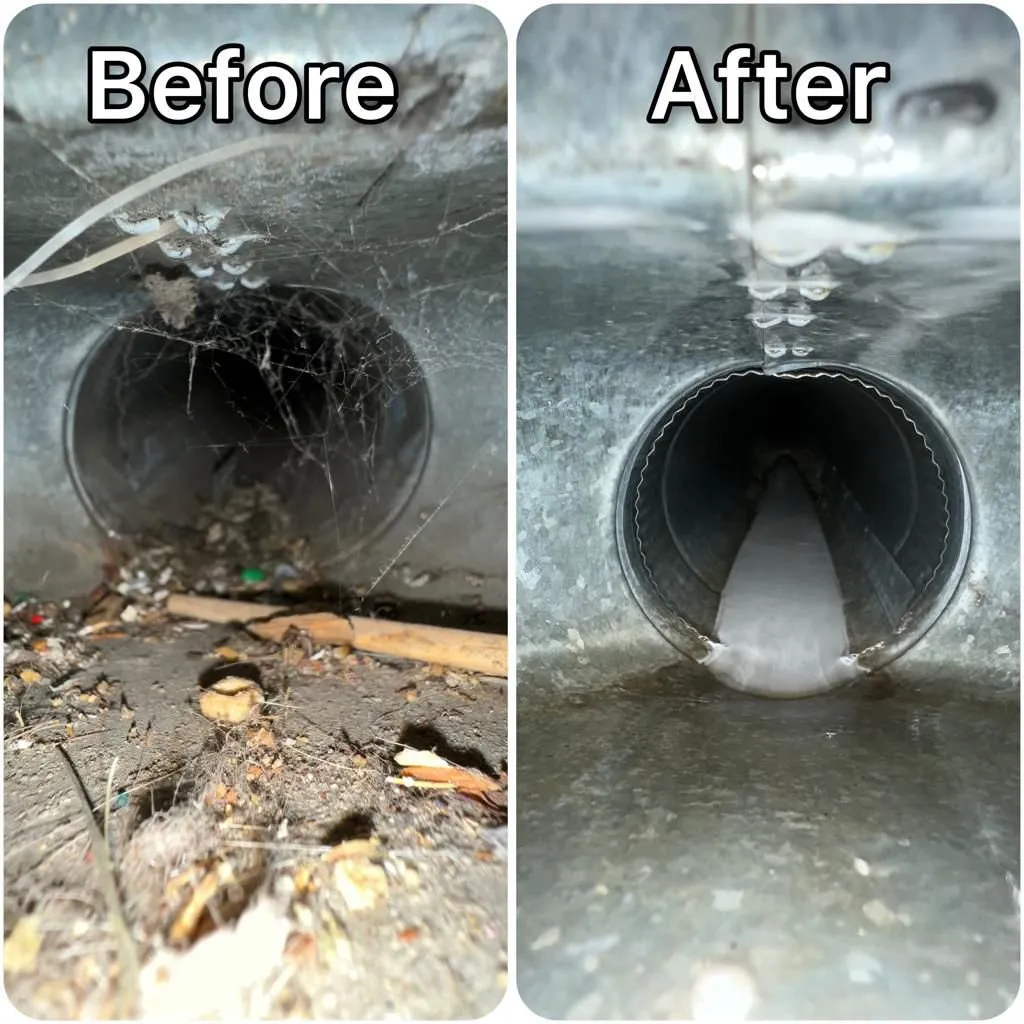
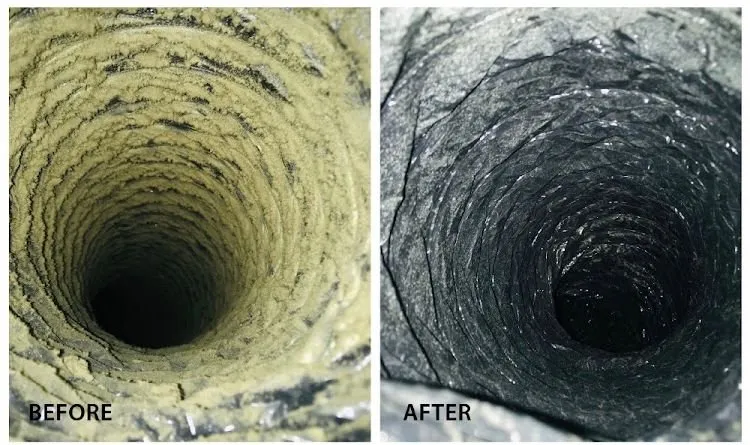
Afterward, you should be able to look into a few registers with a flashlight and see clean metal or flex liner rather than a coating of dust. The EPA also suggests asking any provider to show you the contamination that justifies a cleaning before work starts, which gives you a baseline to compare against. Any access holes should be sealed, the registers back in place, and the work area clean.
If you'd like to see what's included and what it costs in Houston, TX, visit our pricing page or the air duct cleaning page. Our basic cleaning is $199 for up to 10 vents, and deep duct cleaning is $59.99 per vent.