Houston Allergy Seasons: Tree, Grass and Ragweed
How Houston's tree, grass and ragweed pollen seasons line up, what they mean for your HVAC filter and ducts, and what duct cleaning can't do.
In much of the country, allergy season has a start and an end. In the Houston area, it feels more like a relay: one type of pollen hands off to the next, and mold spores fill in the gaps. Knowing roughly when each one peaks helps you plan filter changes, decide when to keep the windows shut and set realistic expectations for what your ducts can and can't do.
Late winter and spring: trees
Tree pollen usually starts the year. Because winters are mild here, trees can begin releasing pollen while other parts of the country are still frozen. Oaks are the big producers in this area, and in a heavy year you can see the yellow-green dust on cars, patios and window screens. Other trees, including elm, pine and cedar, contribute at different points.
During peak tree season:
- Keep windows closed on high-pollen days, especially in the morning and on dry, windy days.
- Check the HVAC filter more often than you normally would. A filter that looked fine in January can load up quickly in March.
- Wipe down return grilles. Pollen that gets past doors and windows tends to collect there first.
Late spring through summer: grass
As tree pollen fades, grass pollen takes over. Lawns, ditches and open fields all contribute, and mowing kicks it into the air. This season overlaps with Houston's long, humid summer, when the AC runs almost constantly.
That combination matters for your HVAC system. A system that runs most of the day moves a lot of air through the filter, and everything the filter catches stays there until you replace it. Summer is when many Houston homeowners discover just how fast a filter can clog.
Summer heat also brings outdoor mold spores, which thrive in warm, damp conditions. These aren't the same as mold growing inside your home, but they come in on clothes, shoes and open doors like any other outdoor particle.
Fall: ragweed
Ragweed is the classic late-summer and fall pollen across much of the United States, and the Houston area is no exception. It grows in vacant lots, roadsides and disturbed ground. A single plant can release a large amount of very light pollen that travels long distances on the wind, so you don't need ragweed in your own yard to feel it.
By the time ragweed season winds down, cooler weather arrives, and in some years trees begin again not long after. That is why many people in this area never feel like they get a real break.
What your HVAC filter is doing
Your filter is the main line of defense between outdoor particles that get inside and the rest of your duct system. A few points:
- Use the filter your system is designed for. Check the equipment manual or ask your HVAC contractor before switching to a much denser filter, since some systems can't move enough air through one.
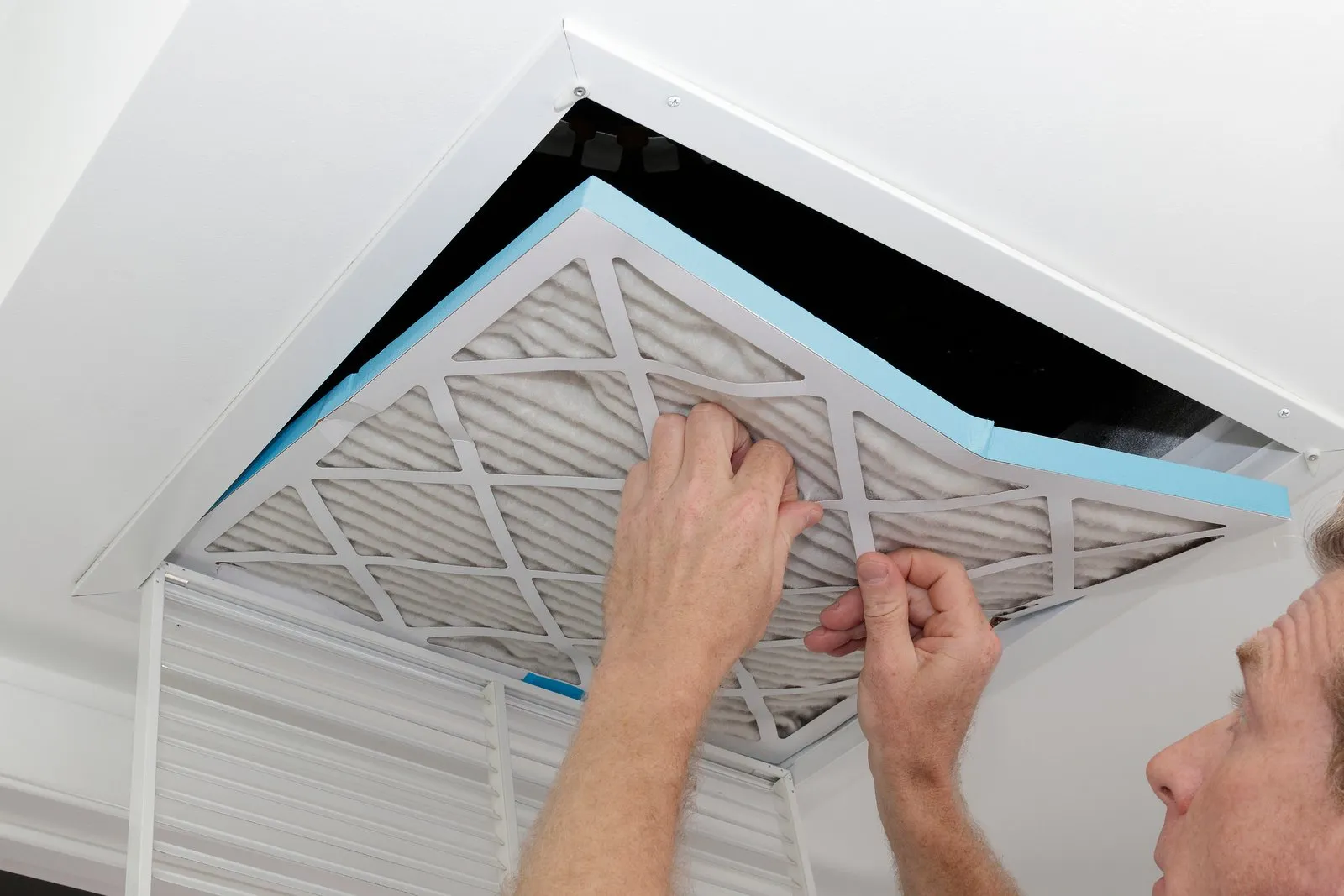
- Make sure it fits. The EPA notes that air can bypass filters through gaps around the filter holder. A filter that is the wrong size lets unfiltered air and dust slip past.
- Change it on schedule, and more often in peak seasons. Write the date on the frame so you know when it went in.
What duct cleaning can and can't do
It is tempting to think a duct cleaning will solve allergy season. It won't, and anyone who promises that is overstating it. The EPA states that duct cleaning has never been shown to prevent health problems, and that much of the dust in ducts sticks to the duct surfaces rather than blowing into the room.
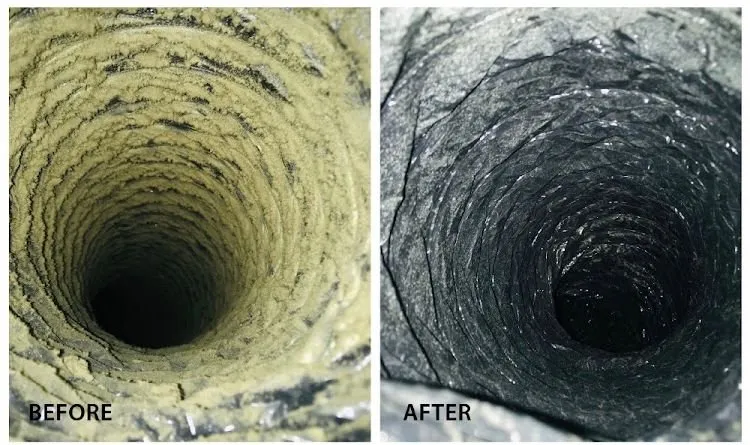
What duct cleaning can do is help remove built-up dust and debris when there is a real buildup. The EPA lists situations where cleaning may be worth considering:
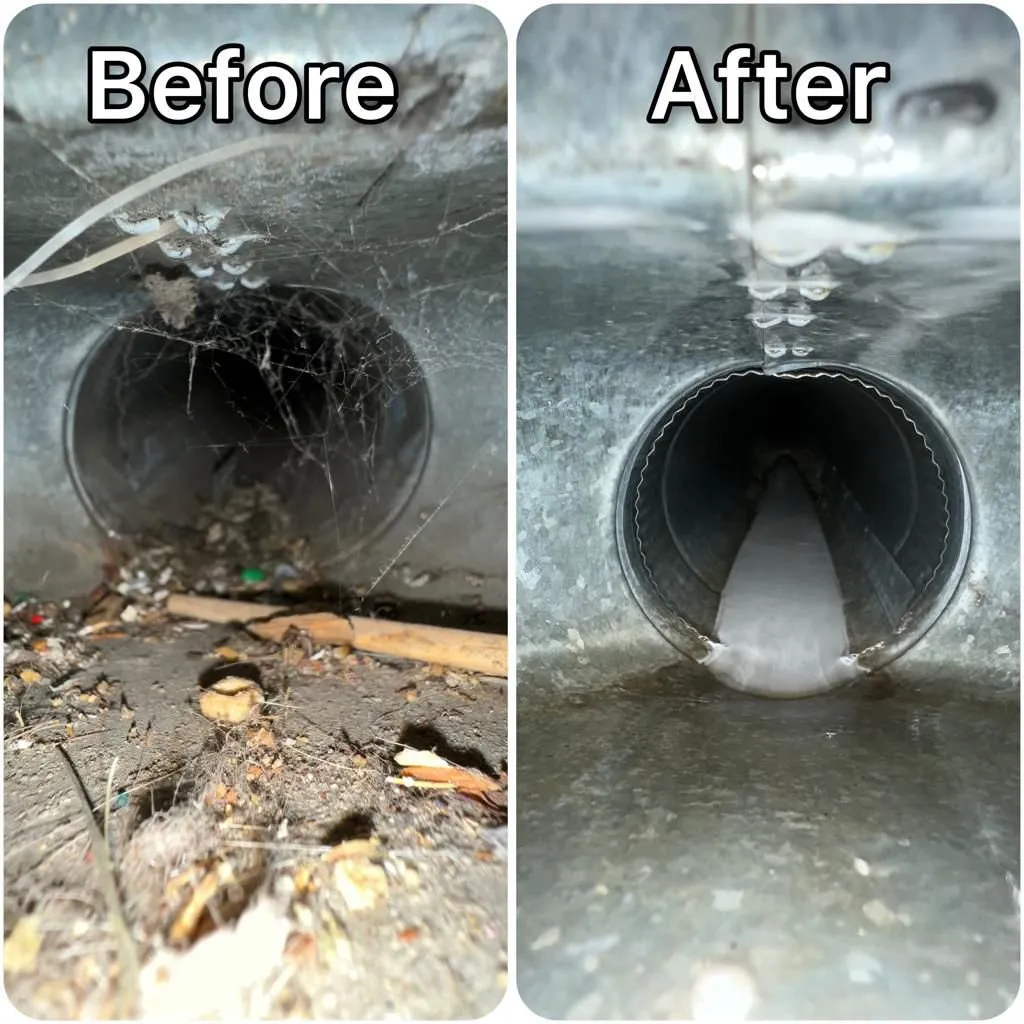
- Ducts are clogged with excessive dust or debris, or particles are visibly coming out of supply registers.
- Rodents or insects have gotten into the ducts.
- There is substantial visible mold growth inside hard-surface ducts or other parts of the system. In that case, the moisture problem needs to be fixed first, and a mold professional should handle the mold.
Renovations are another common reason, since construction dust can get into the system. If any of those apply to your home, air duct cleaning is a reasonable step. If none do, regular filter changes and good household cleaning will usually do more for you.
If you have allergies or asthma, talk to your doctor about what actually helps. Local pollen reports can also tell you which pollen is high on a given day.
A simple seasonal routine
For homes around Houston, TX, a practical rhythm looks like this:
- Early in the year: put in a fresh filter before tree season ramps up.
- Spring: check the filter every few weeks and wipe return grilles.
- Summer: expect the filter to load faster with the AC running; keep checking.
- Fall: replace the filter as ragweed peaks, and consider having your ducts looked at if you are seeing dust from vents.
When you do want a cleaning, Air Cleaning Specialists Inc offers basic duct cleaning at $199 for up to 10 vents and deep duct cleaning at $59.99 per vent. See our pricing page for details.